

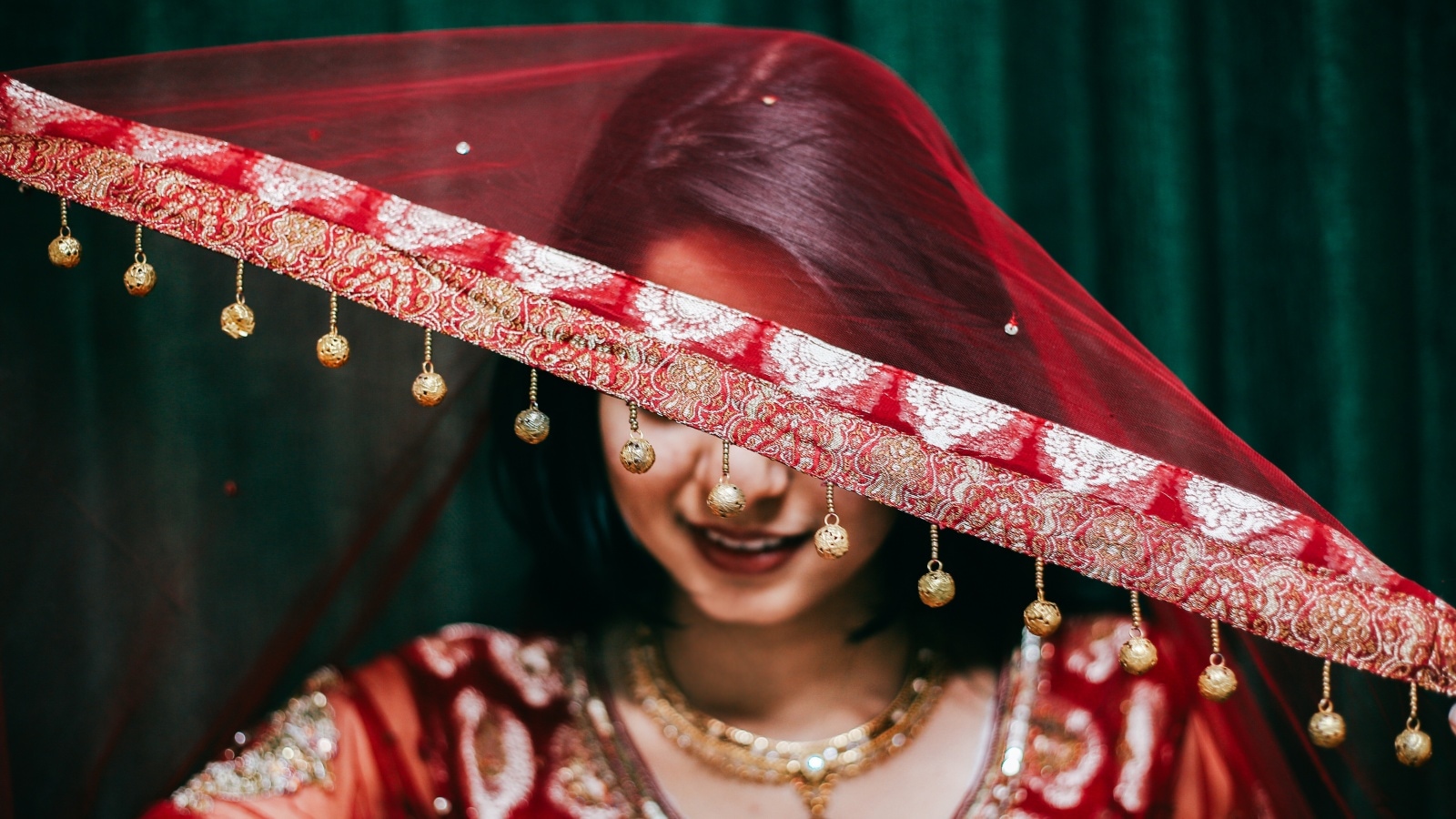
Solah Shringar, or 16 Shringaar, is an historic custom described in classical Hindu texts, temple artwork, and poetry. The time period actually interprets to “16 adornments,” referring to the whole ritual of beautification for a lady, particularly a bride, earlier than an auspicious event. Far past make-up, these 16 steps symbolize blessings for prosperity, fertility, love, safety, and happiness.
In historic instances, queens, dancers, and noblewomen embraced Solah Shringar earlier than festivals, temple visits, and wedding ceremony ceremonies. Even at the moment, in lots of Indian households, the bride performs this ritual on her wedding ceremony day, symbolising her transition into a brand new life and her readiness to embark on her marital journey. Every component of shringaar corresponds to a physique half and carries a non secular that means—suggesting that magnificence is achieved when physique, thoughts, and soul are aligned.
The philosophy behind Solah Shringar additionally displays the Indian perception {that a} lady embodies shakti, divine female energy. Dressing the physique with sacred adornments is believed to awaken this internal divinity. Historic sculptures—from Khajuraho to Ajanta—depict girls performing these rituals, highlighting how timeless the custom actually is.
The 16 Shringaar Components
Right here is the complete listing of adornments historically included within the ritual:
Sindoor – Utilized within the hair parting, symbolising marital standing and longevity of the husband.
Bindi – Positioned on the brow to boost focus and defend from detrimental vitality.
Kajal (kohl) – Utilized to the eyes for magnificence and safety from the evil eye.
Gajra (flowers) – Adorning the hair, representing purity and perfume.
Story continues beneath this advert
Maang Tikka – Worn on the brow to boost instinct and wonder.
Mangalsutra – Image of marriage and unity.
Nath (nostril ring) – Related to magnificence and custom.
Earrings – Aesthetic and symbolic of female grace.
Necklace – Enhances magnificence and carries cultural significance.
Bajuband (armlet) – Worn on the higher arm as a conventional decoration.
Bangles – Symbolize prosperity and pleasure.
Hathphool – Hand jewelry symbolising dedication and wonder.
Rings – Ornamental and symbolic of dedication.
Anklets – Their sound is believed to carry optimistic vitality.
Toe Rings – Worn by married girls, representing love and marital blessings.
Itra (perfume) – The ultimate contact, including sensuality and freshness.
At the same time as trendy magnificence rituals evolve, the Solah Shringar stays a poetic reminder that, in Indian custom, magnificence is about id, ritual, reminiscence, and divine grace—not simply look.
